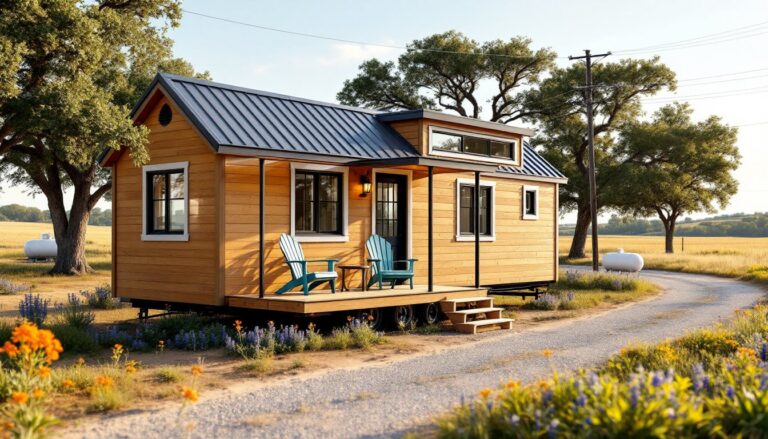
North Carolina has quietly become one of the East Coast’s top destinations for tiny home rentals, blending mountain views, coastal access, and a regulatory climate more welcoming than many neighboring states. Whether someone’s testing out downsized living before committing to a build or simply wants a weekend unplugged from the usual hotel experience, the state offers a surprising range of options. From off-grid cabins perched in the Blue Ridge to modern micro-cottages minutes from Outer Banks surf, NC’s tiny rental market has matured fast. Here’s what renters need to know to find, book, and enjoy these pint-sized stays without any surprises.
Table of Contents
ToggleKey Takeaways
- Tiny home rentals in North Carolina range from 120-400 square feet and offer diverse experiences across mountain regions, coastal areas, and rural countryside with nightly rates between $80-$250 depending on location and season.
- The state’s favorable zoning regulations and adoption of IRC Appendix Q in modified form by several NC jurisdictions make it easier for hosts to legally operate tiny homes compared to neighboring states, resulting in a robust rental inventory.
- Booking 8-12 weeks ahead of peak seasons like October leaf season and summer holidays is essential, while off-peak months offer same-week availability and 15-20% weekly discounts for renters testing extended tiny living.
- Mountain properties in Asheville and the Blue Ridge often feature off-grid systems and composting toilets that require orientation, while coastal tiny homes prioritize hurricane-resistant construction and air conditioning for humid summers.
- Confirm critical details before booking, including GPS coordinates for access, parking space, Wi-Fi and cell service availability, cancellation policies affected by mountain weather, and pet restrictions to avoid disappointing surprises.
- A tiny home rental in NC provides a functional test drive of downsized living before committing to a build, combining character-filled custom designs by local builders with practical insights into loft heights, kitchen layouts, and heating systems that matter for long-term tiny home ownership.
Why North Carolina Is a Tiny Home Rental Hotspot
North Carolina’s appeal as a tiny home rental destination comes down to geography, regulation, and culture. The state stretches from 5,000-foot peaks in the west to barrier islands in the east, giving owners diverse settings to park or build tiny homes that attract different crowds. Unlike states with restrictive zoning that treats tiny homes as glorified RVs, many NC counties, especially rural ones, allow them as accessory dwelling units (ADUs) or on agricultural land with fewer red-tape headaches.
The International Residential Code (IRC) Appendix Q has been adopted in modified form by several NC jurisdictions, creating a recognized path for tiny homes on foundations under 400 square feet. For tiny homes on wheels (THOWs), classification often falls under recreational vehicle or temporary dwelling rules, which vary by county. This patchwork means some areas are far easier for hosts to operate legally, and renters benefit from the resulting inventory.
Culturally, North Carolina has a strong maker and homesteader community. Many tiny home hosts are builders themselves, offering custom designs, reclaimed materials, and off-grid systems that double as working showcases. Renters get a functional test lab, not just a themed hotel room. Proximity to major metros, Charlotte, Raleigh-Durham, Asheville, also keeps weekend demand high without requiring flights, making NC a road-trip-friendly option for Mid-Atlantic and Southeast travelers.
Top Regions in NC for Tiny Home Rentals
The Blue Ridge Mountains and Asheville Area
Western North Carolina dominates the tiny rental scene thanks to dramatic elevation changes, established tourism infrastructure, and a culture that embraced alternative housing early. Asheville and surrounding counties, Buncombe, Henderson, Haywood, host the densest concentration of tiny stays, ranging from rustic THOWs on working farms to architect-designed micro-cabins with standing-seam metal roofs and floor-to-ceiling glass.
Expect amenities like composting toilets, rainwater collection, and propane on-demand water heaters in off-grid properties, especially those above 3,500 feet where county utilities thin out. Many platforms providing home design news have featured NC mountain tiny homes for their integration of passive solar orientation and locally milled lumber. Renters should confirm 4WD access in winter: gravel driveways at steep grades turn treacherous with ice, and hosts don’t always mention it upfront.
Pricing in the Asheville area runs $100–$200 per night depending on proximity to town, views, and luxury touches like hot tubs or pizza ovens. Peak leaf season (mid-October) books months ahead. For a quieter alternative, look toward Burnsville, Spruce Pine, or Brevard, where nightly rates drop $30–$50 and the scenery holds its own.
Coastal and Outer Banks Tiny Homes
The coast offers a completely different tiny home vibe: surf-shack aesthetics, salt air, and proximity to Cape Hatteras, Ocracoke, and the Crystal Coast. Tiny homes here are often on larger plots with multiple units, functioning as mini-resorts. Expect pressure-treated framing, impact-resistant windows, and proper moisture barriers, coastal builds fight humidity, storm surge risk, and relentless UV.
Many coastal tiny rentals sit just inland from the barrier islands in towns like Beaufort, Swansboro, or Nags Head, where flood zone restrictions and wind-load requirements (per IRC Section R301.2) make beachfront placement costly or impossible. Renters get beach access without the hurricane insurance headaches owners face. Interiors lean nautical-modern: shiplap, open shelving, marine-grade hardware.
Summer rates rival mountain highs, $120–$250 per night in July and August, but shoulder seasons (April–May, September–October) offer serious value and better fishing. Off-season (November–March) can drop below $80, though some hosts close entirely for maintenance. Unlike mountain properties, coastal tiny homes almost always include AC, a non-negotiable when dealing with 90°F days and 80% humidity.
What to Expect When Renting a Tiny Home in North Carolina
Square footage in NC tiny rentals typically ranges from 120 to 400 square feet, with most clustering around 200–250 square feet for a THOW and up to 350 for a foundation-built unit. That’s enough for a sleeping loft accessed by ladder or ship-style stairs, a kitchenette with a two-burner cooktop, small fridge, and a wet bath (combined shower and toilet area). Headroom in lofts averages 3 to 4 feet, fine for sleeping, tight for anyone over six feet trying to sit up.
Storage is minimal. Pack light or leave gear in the car. Closets are rare: expect hooks, cubbies, or under-bed drawers. Most hosts provide linens, cookware, and basic dishware, but confirm before arrival. Kitchenettes won’t have full-size appliances, think mini-fridge (3–4 cubic feet), countertop convection oven or two-burner propane range, and a small sink. Serious meal prep isn’t the goal: these setups handle breakfast and simple dinners.
Heating and cooling vary widely. Propane or electric wall heaters and mini-split heat pumps are common. Off-grid properties may rely on wood stoves (confirm if firewood is provided or needs purchasing). In summer, check if AC is included, mountain elevations might skip it, assuming cool nights, but a July heatwave at 2,000 feet still hits the mid-80s indoors without airflow.
Plumbing can be grid-tied, septic-connected, or composting. Composting toilets (brands like Nature’s Head or Sun-Mar) are common in off-grid builds. They’re odorless when maintained but require a brief orientation, some renters find them off-putting, others consider them part of the experience. Water capacity in THOWs is limited: freshwater tanks hold 20–40 gallons, greywater similar. Renters in true off-grid setups should plan on Navy showers and mindful dishwashing.
Wi-Fi and cell service aren’t guaranteed, especially in mountain hollows. Some hosts install Starlink or cellular boosters, but others lean into the digital detox angle. Confirm connectivity needs upfront if remote work is planned. Many regional home styles emphasize outdoor living, decks, fire pits, hammocks, so expect to spend more time outside than in a typical rental.
How to Find and Book Your Tiny Home Rental in NC
Start with the major platforms, Airbnb, Vrbo, and Hipcamp, but filter carefully. Use search terms like “tiny house,” “tiny home,” “cabin under 400 sq ft,” or “glamping” to catch listings that aren’t tagged perfectly. Read reviews for mentions of access roads, accurate photos, and host responsiveness. Photos can oversell tight spaces: if a listing lacks interior shots showing full room context, ask for them.
Specialty platforms like Tiny House Listings and Getaway (which operates tiny home resorts) offer curated inventories. Getaway’s NC outposts near Asheville provide standardized builds with guaranteed amenities, less character, more predictability. For renters new to tiny living, the trade-off can be worth it.
Booking timing matters. Leaf season (October), summer holidays, and spring bloom (April–May) fill fast. Reserve 8–12 weeks ahead for peak dates. Off-peak bookings (January–March, post-Thanksgiving through mid-December) often allow same-week reservations and better nightly rates. Some hosts offer weekly discounts of 15–20%, a good option for testing extended tiny living.
Before confirming, clarify:
- Check-in logistics: Is the property easy to find? GPS coordinates help more than street addresses in rural areas.
- Parking: How many vehicles fit? Turnaround space for trailers?
- Accessibility: Any stairs, ladders, or steep paths that limit mobility?
- Cancellation policy: Weather and road conditions can shift fast in the mountains.
- Pet policy: Many tiny homes welcome dogs but charge fees: confirm size and number limits.
Consider using services like cost guides from Angi if planning a longer stay or evaluating whether renting repeatedly justifies purchasing land and building a tiny home. NC’s lower land costs in rural counties make owner-building feasible for some DIYers, and rental experience informs design priorities, loft height, kitchen layout, heating systems, that matter more than Pinterest aesthetics.
Review the host’s cancellation and house rules carefully. Some properties are owner-occupied with a separate tiny unit: others are remote with lockbox entry. If the goal is solitude, confirm there aren’t other rentals or main houses within sight lines.
Conclusion
North Carolina’s tiny home rental market offers more than Instagram backdrops, it’s a real-world test drive of downsized living across ecosystems that range from ridge-top forests to tidal marshes. Renters who do their assignments on location, systems, and host transparency will find stays that are memorable for the right reasons: quiet, well-built spaces that prove small footage doesn’t mean small experience.