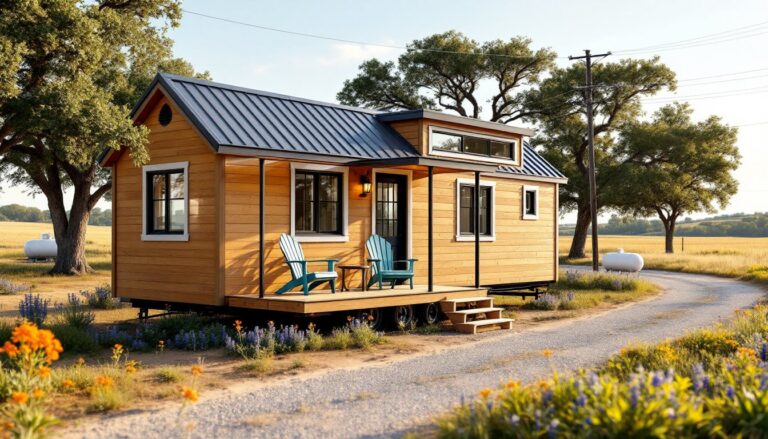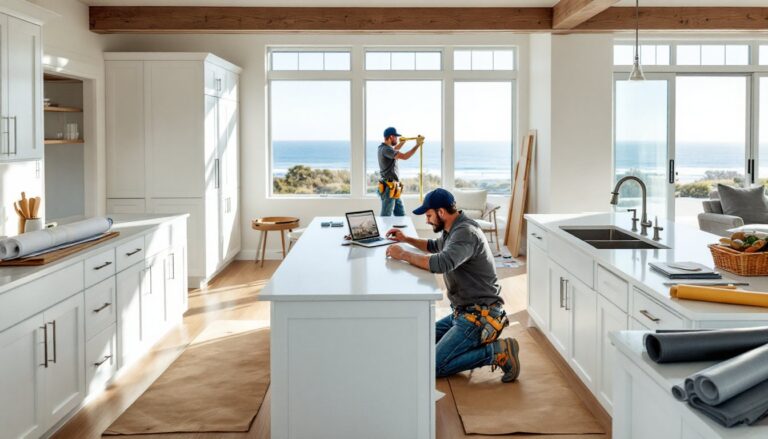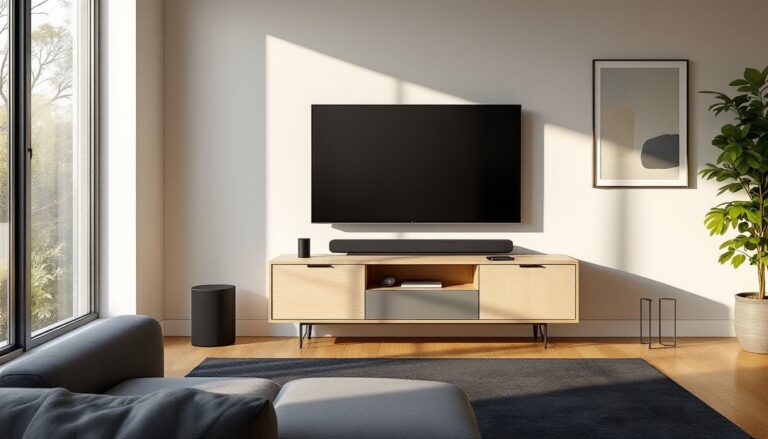
Designing a tiny home interior isn’t about compromising comfort, it’s about rethinking how every square foot works. With the right approach, a well-planned 400-square-foot space can feel more livable than a poorly laid-out 1,200-square-foot home. The difference comes down to intentional design, vertical thinking, and furniture that earns its footprint. This guide covers the principles, products, and practical strategies that make tiny home interiors functional, comfortable, and surprisingly spacious in 2026.
Table of Contents
ToggleKey Takeaways
- Tiny home interiors succeed when every item serves dual purposes—furniture like Murphy beds and fold-down tables maximize usable floor space while maintaining comfort and functionality.
- Vertical space utilization, including lofted sleeping areas and ceiling-mounted cabinets, is critical to making a tiny home feel spacious and livable.
- Light-colored materials, consistent flooring, and strategic lighting layers create the illusion of more square footage without expensive structural changes.
- Multi-functional storage solutions such as under-stair drawers, storage ottomans, and adjustable shelving systems can reclaim 15 to 30 cubic feet of usable space.
- Kitchen and bathroom design in tiny homes requires careful planning around plumbing and ventilation—galley kitchens with 36-42 inch aisles and wall-hung fixtures optimize cramped layouts.
- Modern tiny home design principles combined with regulatory reforms and improved financing have transformed tiny living from a novelty into a viable long-term housing solution for cost-conscious buyers.
Why Tiny Home Interiors Are Trending in 2026
Tiny homes continue to gain traction as housing costs climb and sustainability becomes non-negotiable for more buyers. The median home price in many metro areas has pushed beyond reach for first-time buyers, while tiny homes, typically under 600 square feet, offer a lower barrier to entry and reduced ongoing costs.
But economics alone don’t explain the appeal. Modern tiny homes incorporate smarter design solutions than earlier iterations. Manufacturers now build with residential-grade finishes, energy-efficient appliances, and layouts informed by years of owner feedback. The result is spaces that feel less like cramped experiments and more like purpose-built homes.
Zoning reforms in select municipalities have also opened doors. Cities including Portland, Austin, and parts of California now allow accessory dwelling units (ADUs) and tiny homes on wheels in residential zones, expanding where and how people can legally live small. This regulatory shift, combined with improved financing options and a cultural move toward minimalism, has cemented tiny living as a viable long-term housing solution rather than a novelty.
Essential Design Principles for Tiny Home Interiors
Tiny home design starts with a simple rule: every item must justify its presence. That means furniture, storage, and even décor need to serve a clear function. Skip anything purely decorative unless it also provides utility, like a mirror that doubles as a medicine cabinet or a wall-mounted plant holder that conceals a smoke detector.
Dual-purpose zones are critical. A dining table that folds down from the wall or a platform bed with storage drawers underneath eliminates the need for separate furniture pieces. In tight quarters, zones overlap: the living area becomes the guest bedroom, the kitchen counter serves as a workspace, and hallways don’t exist because they waste footage.
Another principle: built-ins beat freestanding furniture. Custom cabinetry, window seats with lift-up storage, and recessed shelving make use of awkward corners and vertical surfaces that standalone pieces can’t address. While built-ins cost more upfront, they maximize usable space and reduce visual clutter.
Finally, material choice matters. Light-colored wood, such as birch or maple, reflects more light than dark walnut or oak, making interiors feel larger. Avoid heavy textures or busy patterns on walls and upholstery, they visually shrink a room. Many tiny home builders favor strategies from small space design experts to balance aesthetics with function.
Maximizing Vertical Space
Most tiny home failures come from ignoring the upper third of a room. Ceilings in tiny homes typically range from 8 to 13 feet, and that vertical real estate is prime territory for storage, sleeping lofts, and utilities.
Lofted sleeping areas are standard in tiny homes, but execution varies. A loft with less than 3 feet of headroom feels claustrophobic: aim for 3.5 to 4 feet if possible. Install a sturdy ladder or ship-style stairs with integrated drawers. Skip spiral stairs unless space is extremely limited, they’re harder to navigate with bedding or during middle-of-the-night trips.
High-mounted shelving and cabinets should extend as close to the ceiling as framing allows. Use the top shelves for seasonal items or rarely accessed gear. In kitchens, mount upper cabinets to the underside of a loft or ceiling joists, leaving a small gap for undercabinet lighting.
Wall-mounted systems like pegboards, slat walls, or rail-and-hook setups keep floors clear and items accessible. In workshops or utility areas, vertical tool storage beats any drawer system for density and visibility.
Multi-Functional Furniture and Smart Storage Solutions
Furniture in a tiny home should serve at least two roles. The market has caught up: manufacturers now offer pieces specifically engineered for small spaces rather than forcing buyers to hack IKEA units.
Murphy beds remain the gold standard for reclaiming floor space. Modern versions include built-in desks, shelving, or sofas. Expect to pay $1,500 to $4,000 installed, depending on finish and complexity. DIY kits run cheaper but require solid blocking in the wall, if you’re mounting to steel framing in a tiny home on wheels, consult the manufacturer’s engineering specs.
Expandable tables work well for dining and workspace. Look for models with butterfly leaves or drop-leaf designs. A 24-inch-wide table can expand to seat four when needed, then collapse to a console depth.
Storage ottomans, lift-top coffee tables, and benches with hidden compartments all add space without new footprints. In practice, these pieces store soft goods (linens, off-season clothing) better than hard items, which rattle during transport if the home is mobile.
For efficient home organization systems, prioritize adjustable shelving inside cabinets. Tiny homes settle and shift, especially those on trailers, so fixed shelves can bind or warp. Modular wire or laminate systems let owners reconfigure as needs change.
Under-stair storage is often underutilized. If stairs lead to a loft, design each riser as a drawer or cabinet. This approach yields 15 to 30 cubic feet of storage, the equivalent of a small closet.
Tiny Home Kitchen and Bathroom Design
Kitchens and bathrooms present the toughest spatial puzzles in tiny homes. Both require plumbing, ventilation, and code-compliant clearances, leaving little room for error.
Kitchens should focus on the work triangle, sink, stove, refrigerator, even in miniature. A galley layout with 36 to 42 inches of aisle width allows one person to cook comfortably. Two-burner cooktops save counter space compared to four-burner ranges. Apartment-size refrigerators (18 to 24 inches wide) fit under counters or in tight alcoves: some tiny home owners opt for 12-volt compressor fridges used in RVs for energy efficiency.
Skip the dishwasher unless the home exceeds 300 square feet, the cabinet space is better used for pantry storage. Install a deep, single-basin sink (at least 9 inches deep) to handle large pots and baking sheets.
Countertop material should be durable and low-maintenance. Butcher block is affordable and repairable but requires regular oiling. Quartz resists stains and doesn’t need sealing, though it costs $50 to $100 per square foot installed. Laminate works if budget is tight: modern high-pressure laminates mimic stone convincingly.
Bathrooms in tiny homes typically run 25 to 40 square feet. A standard shower stall measures 32 by 32 inches: corner neo-angle units save a few inches. Composting or incinerating toilets eliminate the need for a black-water tank in mobile tiny homes, though they require periodic maintenance and aren’t for everyone. For homes on permanent foundations, a standard flush toilet and septic or sewer connection is simpler.
Ventilation is non-negotiable. Install an exhaust fan rated for at least 50 CFM to handle moisture. Tiny bathrooms without proper venting develop mold within months.
Wall-hung vanities and toilets create the illusion of more floor space and simplify cleaning. If going wall-hung, confirm the wall framing can support the load, backing or blocking between studs is required.
Creating Illusions of Space with Color and Lighting
Color and light manipulation can add perceived square footage without moving a wall. It’s not magic, but it’s close.
Light, neutral paint colors, whites, soft grays, pale beiges, reflect natural light and make walls recede. Avoid stark white in spaces with lots of windows: it can glare. Off-whites with warm undertones (Benjamin Moore’s Swiss Coffee or Sherwin-Williams’ Alabaster) soften harsh sunlight.
Dark accent walls can work in tiny homes, but use them sparingly and only on short walls or alcoves. A dark wall at the far end of a narrow room can visually pull that wall closer, which is the opposite of what most tiny homes need.
Consistent flooring throughout eliminates visual breaks that chop space into smaller segments. Luxury vinyl plank (LVP) is popular in tiny homes for its durability, water resistance, and ease of installation. It costs $2 to $5 per square foot and handles the flex and movement of a trailer frame better than ceramic tile.
Lighting layers are essential. Rely on multiple light sources rather than a single overhead fixture. Combine recessed LED downlights (if ceiling height allows), under-cabinet LED strips in the kitchen, and wall sconces or pendant lights over key areas. Dimmers let occupants adjust mood and reduce energy use.
Natural light is the cheapest illusion of space. Maximize window size within structural limits, but balance that with insulation needs, large windows lose heat in winter. Skylights or roof windows in lofts bring light into areas that otherwise feel cave-like. Many contemporary tiny home designs incorporate clerestory windows along the roofline for light without sacrificing privacy.
Mirrors strategically placed opposite windows bounce light and double visual depth. A full-length mirror on a closet door or a mirrored backsplash in the kitchen can make a room feel significantly larger. Avoid mirrored ceilings, they’re disorienting and read as gimmicky.
Conclusion
Tiny home interiors demand intentional choices at every turn, but the payoff is a space that works harder and feels better than many conventional homes. Prioritize vertical storage, multi-functional furniture, and light-reflective finishes. Don’t skip proper ventilation or structural backing for built-ins. With careful planning and honest assessment of needs, a tiny home interior can deliver comfort, efficiency, and style in a fraction of the square footage.