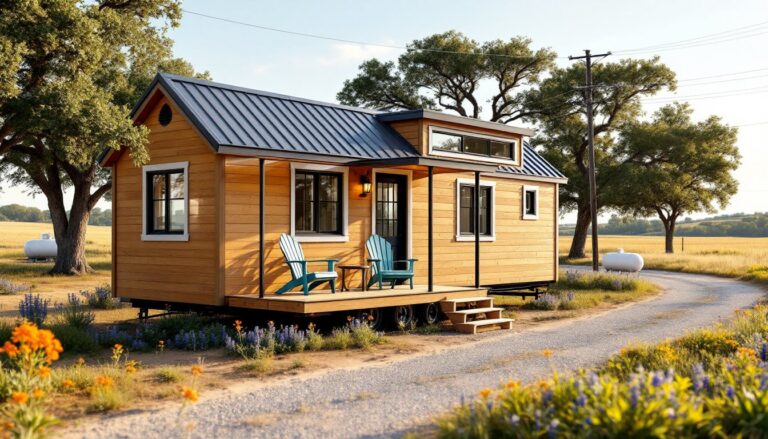
Virginia’s tiny home movement has shifted from novelty to viable housing option. With land costs climbing and more people seeking simpler living arrangements, tiny home communities have popped up across the commonwealth, from the Blue Ridge foothills to Tidewater regions. These aren’t just parking lots for mobile homes: many are planned neighborhoods with shared amenities, covenants, and infrastructure designed specifically for dwellings under 400 square feet. Whether someone’s downsizing after retirement, pursuing financial independence, or just tired of maintaining 2,500 square feet they don’t use, Virginia offers a growing range of community options worth serious consideration.
Table of Contents
ToggleKey Takeaways
- Tiny home communities in Virginia range from $30,000 to $100,000 per dwelling, offering an affordable alternative to the state’s median home price of $370,000.
- Virginia tiny home communities come in two main types: RVIA-certified trailers with monthly lot leases ($350–$600) and permanent foundation models with lot ownership ($35,000–$75,000+), each offering different financing and legal benefits.
- Zoning regulations for tiny homes vary significantly by locality in Virginia, with rural counties like those in Southwest Virginia offering the most permissive rules, while suburban areas often enforce stricter square footage minimums that effectively ban tiny homes.
- Monthly operating costs for tiny home residents typically range from $170–$330, including utilities, propane, internet, and specialized insurance that standard homeowners policies won’t cover.
- Foundation-built tiny homes integrate more easily with traditional zoning and Virginia building codes, while wheels-based models face occupancy restrictions and often require classification as accessory dwelling units (ADUs) to achieve permanent residency.
- Before joining a tiny home community, verify local zoning classification, inspect infrastructure quality (utilities, roads, internet), review community covenants that may restrict personalization, and confirm the community has proper permits and legal compliance with county planning departments.
What Are Tiny Home Communities and Why Are They Growing in Virginia?
Tiny home communities are residential developments designed around dwellings typically ranging from 100 to 400 square feet. Unlike scattered tiny homes on individual lots, these communities offer shared infrastructure, think paved roads, utilities hookups, and often amenities like community gardens, workshops, or event spaces.
Virginia’s growth in this sector stems from several converging factors. First, housing affordability continues to squeeze middle-income buyers, particularly in Northern Virginia and the Richmond metro area. A tiny home can cost $30,000 to $100,000 compared to the state’s median home price hovering around $370,000 in 2026. Second, zoning reforms in select municipalities have made legal placement easier than it was even five years ago. Third, the demographic mix has broadened, it’s not just minimalist millennials anymore. Retirees looking to unlock home equity, remote workers seeking lower overhead, and even young families using tiny homes as starter properties are all entering the market.
From a construction standpoint, most tiny homes fall into two categories: RVIA-certified trailers (built to recreational vehicle standards) or permanent foundation models (often built to IRC Appendix Q standards for tiny houses). The distinction matters because it affects financing, insurance, and which communities will accept the dwelling. RVIA models offer mobility but can face restrictions in some planned communities. Foundation-based units integrate more easily with traditional zoning but sacrifice portability.
Top Tiny Home Communities in Virginia to Consider
Northern Virginia and Richmond Area
Tiny Estates near Fredericksburg (Spotsylvania County) is one of the state’s most established tiny home developments. This community accepts RVIA-certified tiny homes on wheels and offers 30-amp and 50-amp electrical hookups, water, and sewer connections. Lot lease runs approximately $450–$550 per month depending on lot size and amenities. The community requires a minimum stay of six months, making it suitable for both long-term residents and those testing the lifestyle.
The Village at Flat Rock in Goochland County (west of Richmond) takes a different approach. This development is designed for foundation-built tiny homes between 250 and 600 square feet. Residents own their lots outright, with prices starting around $45,000 for a quarter-acre parcel. The community emphasizes sustainable building practices and has covenants requiring rainwater collection systems and energy-efficient construction. It’s more rural, with gravel roads and well/septic systems rather than municipal utilities.
Closer to the D.C. suburbs, options are limited due to stricter zoning, but privately owned lots in Loudon and Prince William counties occasionally allow tiny homes as accessory dwelling units (ADUs) on properties with existing primary residences. This isn’t a dedicated community, but it’s a legal pathway for those with family land or willing to partner with property owners.
Coastal and Rural Virginia Options
Blue Ridge Tiny Homes Village in Floyd County offers mountain views and a tight-knit community vibe. This development accepts both RV-certified and foundation models, though foundation homes must meet Virginia Uniform Statewide Building Code (USBC) requirements. Monthly lot fees run $375–$475, which includes access to a shared workshop equipped with basic power tools, a community garden plot, and high-speed fiber internet, a critical amenity for remote workers. Floyd County’s rural character means fewer zoning hurdles, but residents should expect well water and propane for heating rather than natural gas lines.
Down in the Tidewater region, small-space housing models have gained traction in neighborhoods experimenting with density solutions. Chesapeake Tiny Living in Suffolk permits tiny homes as part of a mixed-use development that includes traditional single-family homes and cluster housing. The trade-off: stricter design review and higher lot costs (around $65,000 for a tiny home lot), but residents get sidewalks, street lighting, and proximity to urban amenities.
For those prioritizing coastal access, some RV parks in the Eastern Shore and Hampton Roads areas have begun accommodating long-term tiny home residents, though these arrangements often lack the community-building features of purpose-built developments. Always verify that the park allows permanent residency and doesn’t enforce seasonal restrictions.
Zoning Laws and Regulations for Tiny Homes in Virginia
Virginia doesn’t have statewide tiny home legislation, so regulations vary dramatically by locality. Some jurisdictions treat tiny homes as RVs (subject to temporary occupancy limits), others as manufactured housing, and a few recognize them as legitimate dwelling units under building codes.
Foundation-built tiny homes must generally comply with the USBC, which adopts the International Residential Code (IRC) with state amendments. IRC Appendix Q specifically addresses tiny houses under 400 square feet, but Virginia localities can choose whether to adopt this appendix. Key code requirements include minimum ceiling heights (6 feet 8 inches in most areas, 6 feet 4 inches over fixtures), loft access standards, emergency egress windows, and electrical service sized appropriately for the structure.
Tiny homes on wheels face more complex classification. If RVIA-certified, they’re considered recreational vehicles in most counties, which limits where and how long they can be occupied. Some counties impose 180-day annual occupancy limits unless the property is zoned for RV parks or campgrounds. Homeowners attempting to place a tiny home on wheels as a permanent dwelling often hit roadblocks unless the community has specific zoning exemptions or the home is classified as an ADU on a lot with a primary residence.
Accessory dwelling units offer the clearest legal pathway in many jurisdictions. Localities like Albemarle County, Charlottesville, and parts of Fairfax County have ADU ordinances allowing secondary dwellings (often including tiny homes) on lots with existing single-family homes. Size limits typically cap ADUs at 50% of the primary dwelling’s square footage or 1,000 square feet, whichever is less. Setback requirements, owner-occupancy mandates, and parking regulations vary.
Before purchasing land or joining a community, verify three things: local zoning classification for tiny homes, minimum square footage requirements (some localities still enforce 600- or 700-square-foot minimums that effectively ban tiny homes), and permit requirements for utilities hookup. Rural counties in Southwest Virginia and the Shenandoah Valley tend to have the most permissive regulations, while urban and suburban jurisdictions often have stricter controls tied to density management and property value concerns. When in doubt, consult the local building official directly, county planning departments can provide definitive answers on what’s permissible.
Cost of Living in a Virginia Tiny Home Community
Breaking down costs requires separating the dwelling itself from community fees and ongoing expenses. A basic tiny home suitable for full-time living runs $40,000–$80,000 for a quality build. Custom designs with high-end finishes, off-grid systems, or specialty materials can push $120,000 or more. DIY builds can cut costs significantly, a motivated builder with carpentry skills can construct a shell for $15,000–$25,000 in materials, though electrical, plumbing, and finish work add substantially to that baseline.
Lot costs vary by ownership model. Communities offering lot rentals typically charge $350–$600 monthly depending on amenities and location proximity to metro areas. Communities selling lots outright range from $35,000 in rural areas to $75,000+ near Richmond or Fredersburg. Add in site prep, leveling, gravel pads or concrete foundations, utility trenching, which can run $5,000–$15,000 depending on soil conditions and how far utilities need to be extended.
Monthly operating costs run lower than traditional homes but aren’t negligible. Expect $80–$150 for utilities (electric, water, trash) in a community with full hookups. Propane for heating and cooking typically adds $40–$100 monthly in winter, less in warmer months. Internet service runs $50–$80 for reliable speeds. Property taxes depend on whether the home is on wheels or a permanent foundation. RVIA-certified homes often pay personal property tax like an RV ($200–$500 annually), while foundation models pay real estate tax based on assessed value, usually $400–$1,200 annually for a tiny home in Virginia.
Insurance is an often-overlooked expense. Standard homeowners policies don’t cover tiny homes on wheels. Specialized tiny home insurance runs $600–$1,000 annually for $50,000 in dwelling coverage, depending on construction quality, whether it’s certified, and the community’s fire protection rating. Foundation-built tiny homes can sometimes secure traditional homeowners insurance, which may cost less.
Financing presents challenges. Most banks won’t write traditional mortgages for tiny homes, especially those on wheels. Options include RV loans (for RVIA-certified models, typically 10–15 year terms at 5–8% APR), personal loans (often 7–12% APR for 5–7 years), or builder financing programs offered by some tiny home manufacturers. Cash purchases remain common, which is why many buyers view tiny homes as a way to eliminate mortgage debt entirely. Recent housing trend coverage has highlighted alternative lending solutions emerging specifically for non-traditional dwelling types, though Virginia lenders have been slower to adopt these programs than West Coast counterparts.
How to Choose the Right Tiny Home Community for Your Lifestyle
Start with location trade-offs. Communities near job centers and services charge premium lot fees but offer convenience. Rural communities provide land, quiet, and lower costs but often mean 30–60 minute drives to grocery stores, medical care, and entertainment. Remote workers have more flexibility here: those commuting need to calculate fuel costs and time loss against lot savings.
Infrastructure matters more than aesthetics. Tour communities and inspect utilities hookups, road conditions (important for moving a tiny home in or out), drainage after rain, and cell service strength. Ask about internet, some rural communities still lack broadband, relying on satellite or fixed wireless that struggles with video calls. If a community lists “high-speed internet” as an amenity, ask for the actual provider and speeds.
Check community rules and covenants carefully. Some developments enforce design standards (exterior colors, roofing materials, landscaping requirements) that limit personalization. Others restrict RV-style homes or require certification from specific builders. Pet policies, noise ordinances, and guest parking rules vary widely. If someone plans to run a home business, verify that the community and local zoning permit it, some HOAs explicitly ban commercial activity.
Ownership structure affects long-term flexibility. Lot rentals offer lower entry costs and easy exit but build no equity and expose residents to rent increases. Lot ownership provides stability and potential appreciation but requires larger upfront investment and makes relocation more complex. Cooperative ownership models (rare but emerging) split the difference, offering equity stake without individual lot ownership.
Visit during different times and weather conditions. A community that feels peaceful on a Sunday afternoon might sit under a flight path or near a highway that’s busier on weekdays. Talk to current residents, most are happy to share candid thoughts about management responsiveness, hidden costs, or neighbor dynamics. Many contemporary housing publications now feature tiny home community reviews and resident interviews that provide ground-level perspective beyond marketing materials.
Finally, consider the community’s longevity and legal standing. Newer developments may lack established track records. Verify that the community has proper permits, approved site plans, and legal right to operate under local zoning. Some “tiny home communities” are essentially RV parks stretching regulations, creating risk of enforcement action that could force residents to relocate. County planning departments can confirm whether a community is properly permitted and compliant with current ordinances.