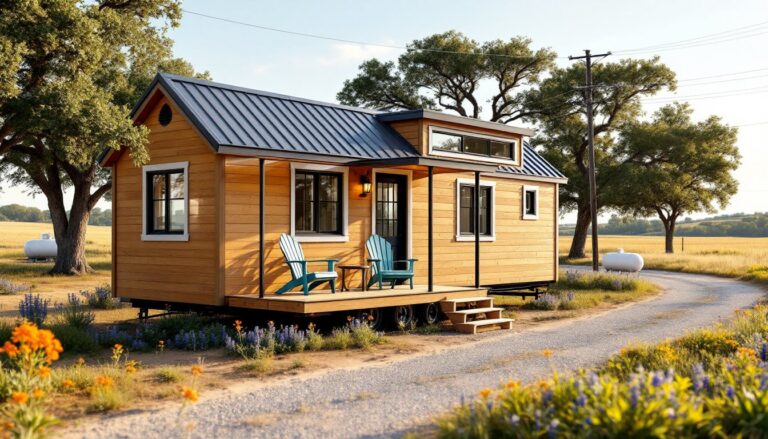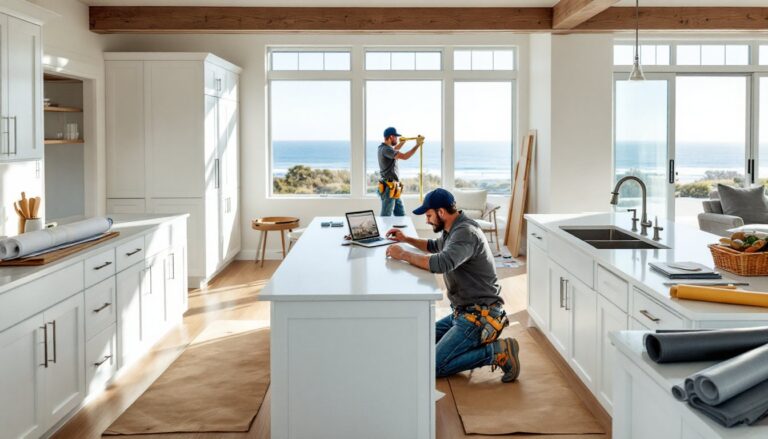
The tiny home movement isn’t slowing down, it’s evolving. Tiny home cabins blend minimalist living with the charm of a rustic retreat, offering homeowners an affordable, flexible alternative to traditional housing. Whether you’re planning a backyard guest house, a weekend escape, or full-time residence, these compact structures require careful planning around zoning, budget, and design. This guide walks through the practical considerations, from choosing between DIY and prefab builds to maximizing every square foot without compromising livability.
Table of Contents
ToggleKey Takeaways
- Tiny home cabins range from 100–400 square feet and combine affordability, flexibility, and sustainability, making them an attractive alternative to traditional housing.
- Zoning restrictions are the primary barrier to tiny cabin projects—verify minimum square footage, setback rules, and utility code compliance with your local planning department before purchasing materials.
- Tiny home cabin costs vary by build type: DIY builds start at $15,000–$40,000, shell kits range $25,000–$60,000, and turnkey prefab models cost $50,000–$120,000+, with foundation and utility connections adding $11,000–$37,000.
- Choose DIY builds if you have carpentry skills and flexible timelines (6–12 months); select prefab options if you need faster completion (2–4 months) and value structural warranties.
- Maximize tiny cabin space through vertical storage, multi-function furniture, natural light, compact fixtures, and material continuity rather than visual clutter.
- Test the tiny living lifestyle through short-term rentals before committing to land and construction, as storage limitations and compact square footage aren’t suitable for everyone.
What Are Tiny Home Cabins and Why Are They So Popular?
A tiny home cabin typically ranges from 100 to 400 square feet, combining the portability or permanence of a small dwelling with cabin-style aesthetics, think wood siding, pitched roofs, and efficient layouts. Unlike RVs or mobile homes, most tiny cabins rest on permanent foundations or trailer frames designed for occasional relocation.
Popularity stems from three main drivers: affordability, flexibility, and sustainability. Rising housing costs push buyers toward smaller footprints with lower material and maintenance expenses. Zoning changes in many jurisdictions now permit accessory dwelling units (ADUs), making tiny cabins viable as rental income sources or multi-generational housing. Environmental concerns also play a role, smaller structures consume less energy, generate less waste, and often incorporate reclaimed or locally sourced materials.
That said, tiny living isn’t a magic bullet. Storage limitations, zoning restrictions, and resale uncertainty require honest evaluation before committing. Some owners thrive in 200 square feet: others find it claustrophobic after six months. Test the lifestyle with a short-term rental before investing in land and construction.
Types of Tiny Home Cabins to Consider
Foundation-built cabins sit on permanent piers, concrete slabs, or crawl spaces. They require traditional permits and inspections but offer better insulation, structural stability, and long-term value. Ideal for year-round living or as ADUs on existing lots.
Trailer-mounted (THOW, Tiny House on Wheels) cabins rest on dual-axle trailers, allowing relocation with a heavy-duty truck. Most fall under 8.5 feet wide and 13.5 feet tall to meet highway clearances without oversize permits. Trailer models often skirt traditional building codes by qualifying as RVs, though this varies by state. Expect reduced insulation performance and more road-vibration wear over time.
Shell kits and prefab models arrive partially assembled, walls, roof trusses, and windows installed, requiring buyers to finish interiors. Companies ship flat-packed components or deliver turnkey units. Quality varies widely: inspect wall thickness, R-value ratings (aim for R-13 walls, R-30 ceiling minimum in cold climates), and framing lumber grade before purchase.
Custom DIY builds offer maximum personalization but demand carpentry skills, tool access, and significant time investment. Budget 6–12 months for a solo builder working weekends. Rough framing, electrical, and plumbing often require inspections even for non-permitted structures, depending on local codes.
How Much Do Tiny Home Cabins Cost?
Costs break into three tiers:
DIY builds: $15,000–$40,000 for materials if you own land and provide labor. Includes framing lumber, sheathing, windows, doors, roofing, insulation, interior finishes, and basic fixtures. Does not include foundation, utility hookups, or trailer costs ($4,000–$7,000 for a new dual-axle frame).
Shell kits: $25,000–$60,000 delivered. You’ll handle interior finishing, drywall, flooring, cabinetry, plumbing fixtures, electrical devices. Add $10,000–$20,000 for finish materials and appliances.
Turnkey prefab: $50,000–$120,000+ depending on square footage, finishes, and off-grid features (solar arrays, composting toilets, rainwater collection). Premium builders incorporate SIPs (structural insulated panels) for superior energy performance, pushing prices higher but reducing long-term heating costs.
Foundation and site prep add $3,000–$12,000 for grading, gravel pads, pier installation, or slab pours. Utility connections, electric service, septic or sewer tap, well drilling, run $8,000–$25,000 in rural areas.
Regional labor and material costs fluctuate. Lumber prices spiked 40% in recent years before stabilizing: check current rates before locking budgets. Financing options remain limited, most lenders won’t mortgage structures under 600 square feet, so expect cash purchases or personal loans with higher interest rates.
Planning and Zoning Considerations for Your Tiny Cabin
Zoning kills more tiny cabin projects than budget or design. Start with three checks:
Minimum square footage requirements: Many municipalities enforce 600–1,000 square foot minimums for primary dwellings. ADU ordinances often allow smaller structures (200–800 square feet) but restrict them to properties with existing primary homes.
Setback and lot coverage rules: Cabins must sit a specified distance from property lines, streets, and septic systems. Lot coverage limits cap the percentage of land occupied by structures, typically 20–40% in residential zones. A 10,000-square-foot lot with 30% coverage allows 3,000 square feet total, including garage and sheds.
Utility and safety codes: Even non-permitted structures may require IRC (International Residential Code) compliance for electrical (NEC standards), plumbing, and egress. Loft sleeping areas need minimum 35-inch-wide stairs or ship’s ladders, plus emergency escape windows with 5.7 square feet of opening area. Composting toilets and greywater systems face varying acceptance, some jurisdictions mandate septic regardless of occupancy.
Trailer-mounted cabins occupy a gray area. Parking an RV-classified THOW on your property year-round may violate residential parking ordinances. Some owners register cabins as RVs to avoid building permits, then face eviction notices when neighbors complain. Consult your local planning department with specific dimensions and foundation plans before purchasing materials. For insights on navigating housing regulations and space-efficient living, small dwelling solutions offer extensive case studies.
Essential Design Tips for Maximizing Space
Efficient tiny cabins eliminate wasted circulation space and serve multiple functions per square foot.
Vertical storage: Install shelving and cabinets to the ceiling. Use the space above doorways for shallow cubbies. Loft areas provide sleeping quarters while freeing main-floor square footage, ensure minimum 36-inch headroom where occupants sit up in bed.
Multi-function furniture: Murphy beds fold into walls: dining tables drop from hinged wall brackets: storage benches double as seating. Avoid bulky recliners or sectional sofas, a futon or sleeper loveseat offers flexibility without eating floor space.
Natural light and sightlines: Large windows create visual expansion. Position dual-pane, low-E glass on south and east exposures for passive solar gain. Skylights brighten lofts but increase heat loss if improperly flashed, use factory-curbed models with integrated flashing kits, not site-built curbs.
Compact fixtures: Choose 24-inch vanities, corner sinks, and under-counter mini fridges (3–4 cubic feet). Tankless water heaters mount on walls, freeing closet space. Combination washer-dryer units fit in 24-inch-wide closets.
Material continuity: Use the same flooring throughout to avoid visual breaks that shrink perceived space. Light colors reflect more lumens per fixture, reducing electrical loads. Skip heavy crown molding and thick baseboards, simple trim keeps walls clean. Many modern compact home designs showcase how material restraint enhances spatial flow.
DIY vs. Prefab: Which Tiny Cabin Option Is Right for You?
Choose DIY if:
- You have carpentry experience and tool access (table saw, miter saw, nail gun, circular saw).
- Timeline flexibility allows 6–12 months of intermittent work.
- Customization matters, specific window placements, ceiling heights, or unconventional layouts.
- Budget caps under $30,000 for materials only.
Expect challenges: Lumber delivery logistics, waste disposal, weather delays, and learning curves on electrical/plumbing roughing. Plan for inspections even if your jurisdiction doesn’t require permits for accessory structures, selling later may demand retroactive compliance.
Choose prefab/shell kits if:
- You lack framing experience but can handle finish carpentry (trim, flooring, drywall).
- You need move-in readiness within 2–4 months.
- Financing requires a manufactured structure rather than owner-built.
- You value warranty coverage on structural components.
Vet manufacturers carefully: Request R-value certifications, lumber grade stamps (look for #2 or better), and photos of previous builds. Cheap kits use 2×3 framing instead of 2×4 studs, limiting insulation thickness and structural load capacity. Avoid companies that won’t provide engineered drawings, you’ll need them for permitting and insurance.
Hybrid approach: Purchase a weatherproof shell, then DIY interiors. This balances cost control with timeline management and reduces exposure to weather during construction. Exploring rustic cabin inspiration can help refine aesthetic choices before committing to materials.
Conclusion
Tiny home cabins deliver on affordability and flexibility when approached with realistic expectations and thorough planning. Zoning research and honest skill assessment prevent costly mid-project pivots. Whether building from scratch or ordering a prefab shell, prioritize structural quality, insulation performance, and code compliance over trendy finishes. Done right, a well-built tiny cabin provides decades of low-maintenance living or steady rental income, just measure twice and frame once.