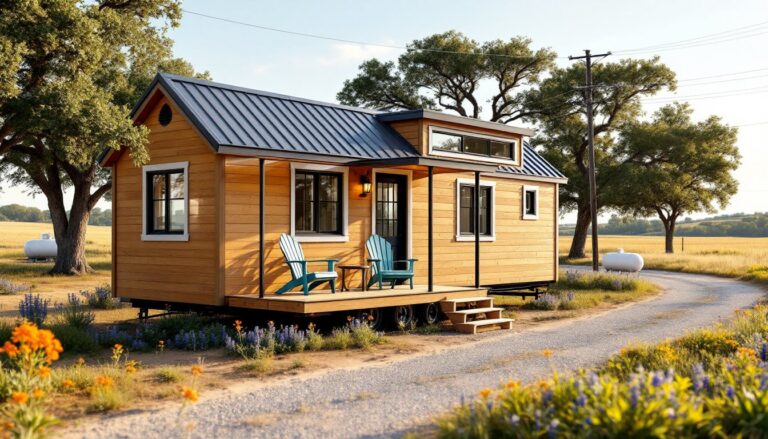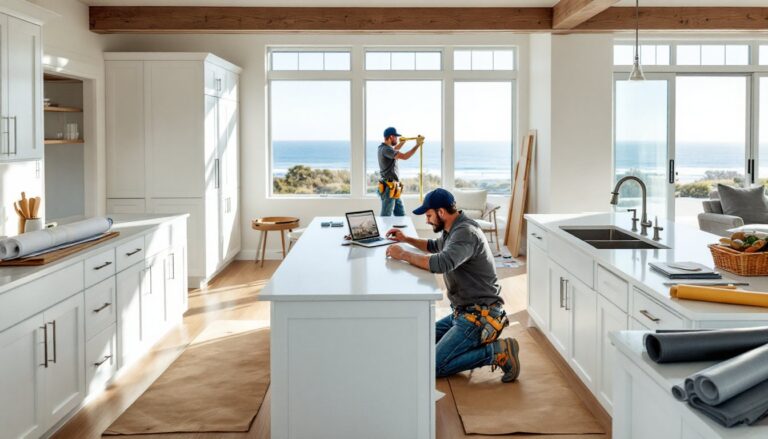
Getting two functional bedrooms into a tiny home sounds impossible, but it’s not. With smart design and a willingness to rethink traditional layouts, a 2-bedroom tiny house can comfortably sleep a small family, host guests, or provide dedicated workspace without sacrificing livability. The key is understanding which space-saving strategies actually work and which ones just look good in renderings. Whether you’re building from scratch, buying a prefab shell, or converting a trailer, this guide breaks down the practical design choices, cost realities, and construction considerations that make a two-bedroom tiny home work.
Table of Contents
ToggleWhy Choose a Two-Bedroom Tiny Home?
A second bedroom transforms a tiny house from a solo retreat into a viable full-time residence. That extra room serves multiple roles: a nursery, home office, guest space, or storage area that keeps the main living zone clutter-free.
For families with one child or couples who work from home, the 2-bedroom layout offers privacy without jumping to a traditional home’s square footage and expense. Zoning laws in many jurisdictions classify tiny homes under 400 square feet as RVs or accessory dwelling units (ADUs), but adding a second bedroom often pushes the footprint to 300–450 square feet, still compact, but enough to meet minimum habitable room requirements in some building codes.
The trade-off is real: you’ll sacrifice some common area and storage compared to a single-bedroom design. But if the alternative is a cramped studio where work, sleep, and living all happen in one room, a thoughtfully designed 2-bedroom plan usually wins. Modern sustainable home design principles emphasize multifunctional spaces, which makes the two-bedroom tiny home a practical middle ground for those serious about downsizing without giving up essential separation.
Essential Design Features for 2-Bedroom Tiny Homes
Smart Layout Options and Floor Plans
The floor plan dictates everything. Most 2-bedroom tiny homes fall into three layout categories:
- Loft + ground-floor bedroom: One bedroom in a sleeping loft accessed by ladder or stairs, the other on the main level. This works if one occupant can handle ladder access (not ideal for young kids or mobility issues) and the other needs easy entry.
- Double loft: Two sleeping lofts on opposite ends of a trailer or foundation. Maximizes floor space below but reduces headroom, expect 36–42 inches of clearance in standard lofts. Not suitable for anyone over 6 feet tall who doesn’t like stooping.
- Side-by-side ground floor: Both bedrooms on the main level, typically 60–80 square feet each, separated by a narrow hallway or pocket doors. Requires a wider trailer (often 10 feet instead of the standard 8.5 feet) or a foundation build. This layout prioritizes accessibility and comfort over maximizing common space.
Most builders use a trailer length of 24–32 feet to accommodate two bedrooms without requiring a wide-load permit for towing. Gooseneck trailers add a raised section over the hitch, creating space for a ground-floor bedroom or bathroom without extending overall length.
Ceiling height matters. The International Residential Code (IRC) Appendix Q for tiny houses allows habitable rooms with a minimum of 6 feet 8 inches of ceiling height over at least 50% of the floor area. Lofts for sleeping can go as low as 3 feet, but anything under 4 feet feels claustrophobic for most adults.
Space-Saving Solutions and Storage Ideas
Every cubic inch counts. Successful 2-bedroom tiny homes rely on built-in storage and furniture that does double duty.
Stairs beat ladders for loft access if you have the floor space (they eat up about 18–24 square feet but can integrate drawers, cubbies, or a closet underneath). Each tread can be a pull-out drawer or lift-top compartment. If stairs aren’t feasible, a ship’s ladder (steeper than standard stairs but with handrails) splits the difference.
Murphy beds or fold-down bunks in one bedroom free up daytime floor space. Pair them with a fold-down desk, and the room converts from bedroom to office in 30 seconds. Look for gas-piston lift kits rated for the mattress weight, cheap hardware will sag or fail within a year.
Implementing home organization tips borrowed from apartment living can make or break a tiny home’s functionality. Use vertical space ruthlessly: ceiling-mounted pot racks, pegboard walls, magnetic knife strips, and overhead cabinets that go all the way to the ceiling. Toe-kick drawers under cabinets capture wasted space. In bedrooms, under-bed storage on sliders or platform beds with lift-up mattress bases can hold off-season clothes, tools, or pantry overflow.
Pocket doors or barn doors save the swing radius of a standard door (about 9 square feet per door). In tight hallways, bi-fold or accordion doors work, though they’re less soundproof.
Don’t overlook the bathroom. A wet bath (combined shower and toilet area with a floor drain) shrinks the bathroom footprint to as little as 3 feet by 5 feet. If you can spare 4 feet by 6 feet, a corner shower and composting toilet fit without going full wet bath.
Outside storage is often the answer for tools, bikes, or seasonal gear. A rear bumper storage box, tongue-mounted cargo carrier, or small shed on a foundation build keeps bulky items from crowding interior space.
Building vs. Buying a Two-Bedroom Tiny Home
Building yourself offers customization and cost savings, if you have the time, skills, and workspace. A DIY build on a trailer typically runs $20,000–$40,000 in materials (not including land or tools), depending on finishes and systems. Expect 800–1,500 hours of labor for a competent DIYer. You’ll need a flat, dry workspace (a barn, large garage, or covered outdoor area), basic carpentry skills, and comfort working with electrical and plumbing systems.
Key challenges:
- Trailer selection: A dual-axle trailer rated for 10,000–14,000 lbs GVWR is standard for a 24–28-foot tiny home. Cheaper utility trailers aren’t built for permanent structures and will flex or rust out. Purpose-built tiny house trailers cost $4,000–$7,000 but include proper tie-down points and often a steel subframe.
- Weight distribution: A 2-bedroom design with lofts and full-size appliances can hit 10,000–12,000 lbs loaded. Poor weight distribution causes trailer sway or tire blowouts during towing. Weigh each axle separately before the first move.
- Permits and inspections: Building codes vary wildly. Some jurisdictions treat tiny homes on wheels as RVs (no building permit required but limited where you can park long-term). Foundation-built tiny homes usually need full permits and must meet local IRC minimums for room size, egress windows, and ceiling height. If you’re planning to move the home later, verify towing laws, some states require a CDL for trailers over a certain length or weight.
Buying a prefab or custom-built 2-bedroom tiny home costs $50,000–$100,000+, depending on size, materials, and included systems (off-grid solar, composting toilet, propane vs. electric appliances). Reputable builders deliver a certified, road-ready home with plumbing and electrical done to code. You’ll still need to budget for land, site prep, utility hookups, and possibly a septic or water catchment system.
Prefab advantages:
- Speed: Delivery in 3–6 months vs. 12+ months for a DIY build.
- Financing: Some lenders offer RV loans or chattel mortgages for certified tiny homes: DIY builds are harder to finance.
- Resale value: A professionally built, RVIA- or NOAH-certified tiny home holds value better than a DIY build with no third-party inspection.
Consider a shell build as a middle option. Pay a builder for the framed structure, roof, windows, and exterior siding (roughly $15,000–$30,000), then finish the interior yourself. This cuts labor costs while ensuring the structural and weatherproofing work is done right.
Cost Breakdown: What to Expect
Costs vary by region, material quality, and whether you’re building on a trailer or foundation. Here’s a realistic breakdown for a 300-square-foot, 2-bedroom tiny home in 2026:
DIY Build (trailer-based):
- Trailer: $4,500–$7,000
- Framing lumber (2×4 studs, 2×6 floor joists, roof trusses): $2,500–$4,000
- Exterior siding and roofing (metal, LP SmartSide, or cedar): $2,000–$4,500
- Windows and doors (including egress windows for lofts): $1,500–$3,000
- Insulation (spray foam, rigid foam, or mineral wool): $1,200–$2,500
- Interior finish (shiplap, drywall, or plywood paneling): $1,000–$2,000
- Electrical (wire, panel, outlets, fixtures): $800–$1,500
- Plumbing (PEX, fixtures, on-demand water heater): $1,000–$2,000
- Appliances (mini-fridge, 2-burner cooktop, ventless washer/dryer combo): $1,500–$3,000
- Flooring (luxury vinyl plank or engineered hardwood): $600–$1,200
- Miscellaneous (fasteners, adhesives, paint, sealant): $800–$1,500
Total DIY estimate: $20,000–$35,000 (assumes you own basic tools and do all labor).
Prefab Purchase:
- Base model 2-bedroom shell: $40,000–$60,000
- Upgraded finishes, appliances, and off-grid systems: +$10,000–$30,000
- Delivery (within 500 miles): $2,000–$5,000
Total prefab estimate: $50,000–$95,000.
Foundation Build (permanent):
Adds site prep, concrete slab or piers ($3,000–$8,000), utility connections ($2,000–$10,000 depending on distance to hookups), and permitting/inspection fees ($500–$2,000). Foundation builds also allow traditional mortgage financing in some areas, whereas trailers generally require cash or RV loans.
Hidden costs:
- Land: Purchase or lease fees vary wildly. Some tiny home communities charge $300–$800/month for a pad with utilities.
- Insurance: RV insurance for a tiny house on wheels runs $600–$1,200/year: homeowners insurance for a foundation build is closer to traditional rates.
- Parking/zoning compliance: If local codes don’t allow tiny homes, you may need a variance or have to rent space in an RV park.
Many small space living ideas can reduce furnishing costs, multifunctional furniture, DIY shelving, and secondhand finds stretch the budget further.
Conclusion
A 2-bedroom tiny home isn’t a compromise, it’s a deliberate design choice that delivers privacy, flexibility, and affordability in a compact footprint. Success hinges on honest planning: knowing who’ll use each space, how much storage you truly need, and whether you’re prepared to build, buy, or customize. Do the math on costs and codes early, and don’t skip the details, proper insulation, weight distribution, and weatherproofing separate a livable tiny home from an expensive regret.