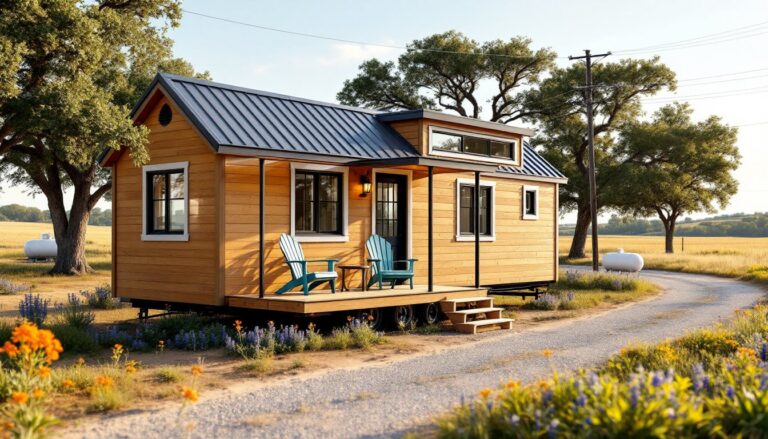
Tiny home living isn’t a trend anymore, it’s a practical housing solution gaining serious traction across South Carolina. From the coastal Lowcountry to the Blue Ridge foothills, communities designed specifically for tiny homes are popping up, offering affordable housing, simplified lifestyles, and a built-in sense of community. But moving into one isn’t as simple as parking a trailer and hooking up utilities. Zoning laws vary by county, community rules differ, and upfront costs can surprise first-timers. This guide breaks down what prospective tiny home residents need to know before committing to downsized living in the Palmetto State.
Table of Contents
ToggleKey Takeaways
- Tiny home communities in South Carolina offer affordable housing with monthly costs between $500–$900, significantly below traditional mortgage payments in coastal regions where median home prices exceed $485,000.
- Zoning regulations vary by county—most treat wheeled tiny homes as RVs and prohibit permanent placement outside approved developments, so verify PUD zoning approval before committing to any community.
- Financing a tiny home on wheels typically requires personal or RV loans with interest rates of 7–12% and shorter terms, as most lenders don’t treat THOWs like traditional mortgages.
- Established communities like The Village at Lake Wylie and Oceanside Tiny Living provide tested models with shared amenities and infrastructure, but newer developments should be visited in person to confirm completed utilities and roadwork.
- Building codes require tiny homes to meet IRC Appendix Q standards, and hidden costs like septic hookups ($2,000–$5,000), insurance, and special assessments can quickly add up beyond advertised lot rent.
What Are Tiny Home Communities and Why Are They Growing in South Carolina?
A tiny home community is a planned residential development where dwellings typically measure 400 square feet or less and share common infrastructure, water, sewer, electric hookups, roads, and often communal spaces like gardens or pavilions. These aren’t RV parks. Most communities require homes built to IRC Appendix Q (the tiny house construction standard) or RVIA certification for wheeled units.
South Carolina’s growth stems from three factors: housing affordability, an aging population looking to downsize, and coastal migration driving up traditional home prices. The median home price in Charleston County hit $485,000 in 2025, pushing buyers toward alternatives. Tiny home communities offer fee-simple lots or leased pads starting around $300–$600/month, with home costs between $40,000–$100,000 depending on whether it’s DIY, pre-fab, or custom-built.
Another driver is permitting flexibility. While most South Carolina counties still classify tiny homes on wheels (THOWs) as RVs, limiting where they can be permanently parked, dedicated communities navigate zoning through planned unit developments (PUDs) or special-use permits. This legal workaround has opened the door for developers in Greenville, Spartanburg, and the Grand Strand.
Top Tiny Home Communities in South Carolina
As of early 2026, South Carolina has a handful of established tiny home communities, with several more in development.
The Village at Lake Wylie (York County) is one of the state’s first purpose-built tiny home communities. It offers 68 lots for homes between 250–800 square feet, both on-foundation and wheeled units. Residents own their lots outright and pay HOA fees around $150/month covering road maintenance, community well water, and septic systems.
Tiny Estates (Spartanburg area) caters to wheeled tiny homes with leased pads. Monthly lot rent runs $450–$550, including water, trash, and access to a shared bathhouse and laundry. Homes must meet RVIA or NOAH certification standards.
Near Myrtle Beach, Oceanside Tiny Living is a newer development targeting retirees and remote workers. It features 40 pads with full hookups (30/50-amp service, city water, sewer), a clubhouse, and fiber internet. Pad lease is $575/month with a 12-month minimum.
Several communities are in planning stages around Greenville and Columbia, but be cautious, some advertised projects exist only as concept renderings. Always visit in person, review recorded plats, and confirm utility connections before committing.
Zoning Laws and Regulations for Tiny Homes in South Carolina
South Carolina has no statewide tiny home code. Regulations fall to county and municipal zoning ordinances, and they vary wildly.
Most counties treat THOWs as recreational vehicles, which means they’re prohibited as permanent dwellings outside RV parks or approved PUDs. Foundation-built tiny homes under 400 square feet face a different hurdle: many jurisdictions enforce minimum square footage requirements for single-family dwellings, often 600–1,000 square feet, rendering tiny homes non-compliant.
Communities sidestep this through Planned Unit Development (PUD) zoning, which allows mixed housing types under a master plan, or by securing special-use permits. If buying into a community, confirm the development has permanent PUD approval, not a conditional or temporary permit that could be revoked.
For DIYers considering building on private land, check county setbacks, septic tank minimums (some require 2–3 bedroom system capacity regardless of home size), and whether accessory dwelling units (ADUs) are allowed. In unincorporated areas with looser enforcement, some owners classify tiny homes as “workshops” or “storage buildings” to dodge codes, but this carries risk if the county issues a cease-and-desist.
Building codes for permanent tiny homes typically follow the 2018 or 2021 International Residential Code (IRC), specifically Appendix Q for dwellings under 400 square feet. Key differences from standard construction: ceiling height minimums drop to 6’8″ in bathrooms/kitchens, loft sleeping areas require just 3 feet of headroom, and egress windows must meet specific size/opening requirements. Always pull permits when required, unpermitted structures can’t be insured and complicate resale.
Cost of Living in a South Carolina Tiny Home Community
Initial costs include the home itself and any site fees. A quality THOW ranges from $50,000–$80,000 for turnkey builds (200–350 sq ft), while foundation models average $60,000–$120,000 depending on finishes and whether utilities are included. DIY shell kits start around $15,000 but require significant sweat equity and skills in framing, electrical (must be licensed for hookups), and plumbing.
Monthly expenses break down as follows:
- Lot rent or HOA fees: $300–$600/month
- Utilities: $80–$150/month (electric, water, trash: propane if used for heat/cooking)
- Insurance: $40–$90/month (THOW insurance is specialty coverage, not standard homeowners)
- Internet/phone: $50–$100/month
Total monthly carrying costs typically run $500–$900, well below traditional mortgage payments in the same regions. But, financing a THOW is tricky, most lenders treat them as personal property (like an RV), requiring personal loans or RV loans with higher interest rates (7–12%) and shorter terms (10–15 years max). Foundation tiny homes may qualify for conventional mortgages if they meet local building codes and sit on owned land.
Hidden costs include septic or sewer hookup fees ($2,000–$5,000 if not included in lot price), impact fees in some HOA communities, and annual property taxes (on owned lots or the home itself if classified as real property). Insurance for THOWs can be difficult to source: companies like small space insurance providers specialize in coverage for non-traditional housing.
Amenities and Lifestyle Benefits of Tiny Home Communities
Well-planned tiny home communities offer more than just a place to park. Shared amenities often include community gardens, tool-sharing sheds, dog parks, fire pits, and pavilions for gatherings. Some feature co-working spaces with high-speed internet, critical for the remote workers drawn to tiny living.
The lifestyle appeal goes beyond cost savings. Residents report stronger neighborly connections compared to traditional subdivisions, partly because proximity and shared common areas encourage interaction. Many communities organize potlucks, skill-shares (plumbing, carpentry, canning), and seasonal events.
Downsides exist, too. Privacy is limited when homes sit 10–20 feet apart. Noise travels, thin walls and close quarters mean you’ll hear neighbors’ conversations, music, and dogs. Outdoor storage is restricted in most communities, and parking rules often limit guests to designated areas.
For those drawn to sustainable home design principles, many tiny home communities emphasize eco-friendly infrastructure: rainwater catchment systems, solar arrays (individual or shared), composting toilets (less common in South Carolina due to health department rules), and native landscaping to reduce irrigation.
Pet policies vary. Some communities allow dogs with size/breed restrictions: others prohibit them entirely due to space constraints. Always review community covenants before buying in.
How to Find and Join a Tiny Home Community in South Carolina
Start by researching online directories and tiny home advocacy groups. The Tiny Home Industry Association maintains a list of communities, though it’s not exhaustive. Local Facebook groups for South Carolina tiny home enthusiasts share firsthand reviews and new development announcements.
Visit in person. Photos on a developer’s website don’t reveal muddy roads, unfinished utilities, or neighbor dynamics. Walk the site, check for completed infrastructure, paved or graded roads, working water taps, electrical pedestals with visible metering. Ask current residents about their experience, HOA responsiveness, and any issues with utilities or management.
Review the community rules and HOA covenants carefully. Some restrict exterior colors, require specific skirting materials, or mandate professionally built homes (no DIY). Others limit rental income if you plan to Airbnb your home part-time.
Before signing a lease or purchase agreement:
- Verify zoning approval. Request a copy of the PUD approval or special-use permit from the county planning office.
- Check utility ownership. Confirm whether water/sewer is public, private well/septic, or community-owned. Private systems can mean higher maintenance costs or special assessments.
- Review financial health. For HOA-managed communities, request reserve fund balances and recent budgets. Underfunded reserves can lead to surprise assessments.
- Inspect title/lease terms. If buying a lot, ensure clear title and no liens. For leases, note termination clauses, some require 60–90 days notice and forfeiture of deposits.
Consider hiring a real estate attorney familiar with tiny home transactions. Standard agents often lack experience with PUD covenants or THOW-specific contracts. Costs run $500–$1,200 but can prevent expensive mistakes.
Finally, connect with real estate trends coverage to stay informed on market shifts, new developments, and regulatory changes affecting tiny home communities in South Carolina and beyond.
Conclusion
Tiny home communities in South Carolina offer a viable path to affordable, intentional living, but only for those willing to navigate zoning quirks, community rules, and non-traditional financing. Do the legwork upfront: visit sites, read covenants, confirm permits, and budget for both obvious and hidden costs. Done right, downsizing into a tight-knit community can deliver financial freedom and a slower pace. Done hastily, it’s a legal and financial headache with a home you can’t legally occupy.