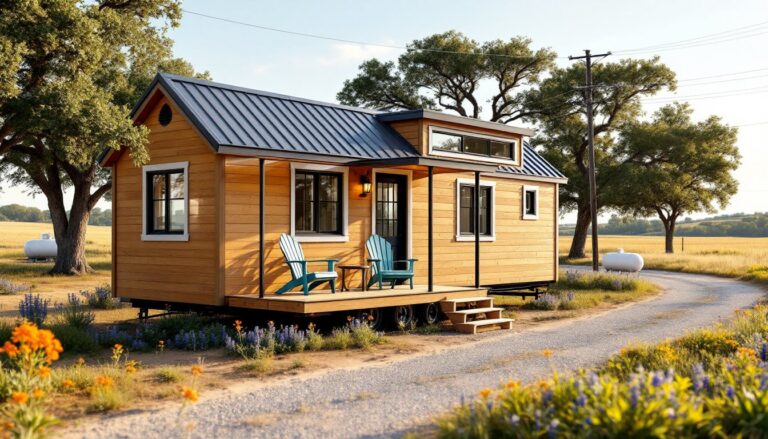
Houston’s sprawling metro might seem like an unlikely place for tiny home communities, but the movement is gaining serious traction here. With median home prices climbing well past $300,000 and rental markets squeezing budgets, more Houstonians are downsizing deliberately, not out of desperation, but by choice. Tiny home communities offer a middle path: homeownership without the crushing mortgage, neighbors without the HOA drama, and a lifestyle that prioritizes experiences over square footage. Whether you’re looking to cut housing costs, reduce your environmental footprint, or simply break free from maintaining 2,500 square feet you don’t use, Houston’s tiny home communities are worth a close look.
Table of Contents
ToggleKey Takeaways
- Tiny home communities in Houston offer 40–60% savings compared to traditional home purchases, with total first-year costs ranging from $75,000–$140,000 including home, hookups, and community fees.
- Houston’s lack of traditional zoning makes it ideal for tiny home community development, though tiny homes must still comply with IRC Appendix Q standards and local building codes for foundations and safety.
- Popular Houston tiny home communities like Montrose Micro Village, Cypress Creek Tiny Estates, and Pearland Pocket Neighborhood provide shared amenities (workshops, gardens, dog parks) and foster stronger community engagement than traditional neighborhoods.
- Financing tiny homes requires alternatives to conventional mortgages, such as personal loans (7–12% interest), RV loans for RVIA-certified homes (5–8%), or cash purchases, as most banks won’t fund structures under 400 square feet.
- Before joining a tiny home community, thoroughly evaluate location/commute, review CC&Rs for design and pet policies, inspect utilities and infrastructure, assess community financial stability, and talk to current residents about management responsiveness.
What Is a Tiny Home Community and Why Houston?
A tiny home community is a planned neighborhood where residents own or rent dwellings typically ranging from 100 to 400 square feet, often on permanent foundations or RVIA-certified trailers. Unlike scattered tiny homes parked on private land, these communities provide shared infrastructure, water, sewer, electric hookups, plus communal spaces like gardens, workshops, or social areas.
Houston offers unique advantages for this housing model. First, the city has no traditional zoning laws, instead, it relies on deed restrictions and development ordinances, which can make it easier to establish alternative housing projects in certain areas. Second, land costs outside Loop 610 remain relatively affordable compared to other major metros. Third, Houston’s cultural diversity and entrepreneurial spirit mean there’s appetite for unconventional housing solutions.
The climate poses challenges, hurricane preparedness and summer heat management require thoughtful design, but modern tiny homes built to IRC Appendix Q standards (the International Residential Code section for tiny houses) handle Gulf Coast conditions when properly anchored and insulated. Expect R-30 roof insulation and R-13 to R-21 walls as minimums, plus impact-resistant windows if you’re within coastal wind zones.
Top Tiny Home Communities in Houston and Surrounding Areas
As of early 2026, Houston’s tiny home community landscape is still developing, but several noteworthy projects have broken ground or are accepting residents:
Montrose Micro Village (inner loop, near Montrose): A pilot project featuring 18 units on a formerly vacant lot. Homes are foundation-built, ranging from 250 to 350 square feet. Monthly lot fees cover utilities and maintenance of shared courtyard space. Waitlist typically runs 6–9 months.
Cypress Creek Tiny Estates (northwest, near Tomball): Larger community with 45 home sites on 12 acres. Mix of owner-occupied tiny homes and park models. Residents own their structures but lease land. Full hookups including 50-amp electrical service and municipal water. Pet-friendly with a dog park.
Pearland Pocket Neighborhood (south metro): Designed around the “pocket neighborhood” concept, 24 tiny cottages facing a central green space instead of streets. Homes average 320 square feet with covered porches adding another 60. Community toolshed and workshop included in HOA dues ($125/month as of 2026).
Conroe Tiny Living Co-op (north, Montgomery County): Member-owned cooperative model. Prospective residents buy a share ($15,000–$25,000 depending on lot size) plus monthly co-op fees. Currently 32 occupied sites with room for expansion. Less restrictive design guidelines than most communities, RVIA trailers, foundation builds, and shipping container conversions all permitted.
Most communities maintain design standards to ensure cohesive aesthetics and resale value, but they’re generally more flexible than traditional subdivision covenants. Always tour in person and talk to current residents before committing.
Cost Breakdown: What to Expect When Joining a Houston Tiny Home Community
Budgeting for tiny home community living involves several cost layers. Here’s what to plan for in the Houston market as of 2026:
Tiny Home Purchase:
- DIY build: $20,000–$45,000 for materials (assumes you provide labor and have basic carpentry skills)
- Shell kit: $35,000–$60,000 (framing, exterior, roof: you finish interior)
- Turnkey builder: $60,000–$120,000+ depending on finishes and customization
- Used/pre-owned: $25,000–$70,000 (inspect thoroughly: check for water damage and structural integrity)
Land Lease or Lot Fees:
- Monthly site rent: $400–$750 in Houston-area communities
- Typically includes water, sewer, trash, common area maintenance
- Some communities charge separately for electricity (metered) or propane
One-Time Community Fees:
- Application and background check: $50–$150
- Utility connection/hookup: $500–$1,500 (if not included in site prep)
- Membership or equity buy-in (co-op models): $15,000–$30,000
Ongoing Costs:
- HOA or co-op dues: $75–$200/month
- Property insurance: $400–$800/year (tiny homes on foundations may qualify for standard homeowners policies: RVIA trailers typically need specialized coverage)
- Utilities (if not bundled): $80–$150/month for a well-insulated 300-square-foot home
Financing Challenges:
Most conventional mortgages won’t cover tiny homes under 400 square feet or homes on wheels. Alternatives include personal loans (typically higher interest rates, 7–12% as of 2026), RV loans if RVIA-certified (5–8% for qualified buyers), or cash purchases. Some builders offer in-house financing, but read terms carefully.
Total first-year cost for a turnkey tiny home in a Houston community: roughly $75,000–$140,000 including home purchase, hookups, and first year of fees. That’s still 40–60% less than a traditional home down payment and first-year costs in the Houston metro.
Zoning Laws and Regulations for Tiny Homes in Houston
Houston’s lack of traditional zoning doesn’t mean “anything goes.” Instead, land use is governed by development ordinances, deed restrictions, and building codes. Here’s what applies to tiny homes:
Building Codes:
Houston adopted the 2018 International Residential Code (IRC) with local amendments. Tiny homes on permanent foundations must meet IRC Appendix Q if under 400 square feet, this covers minimum room dimensions (sleeping lofts must have 35 square feet of floor area with at least 24 inches clear to ceiling), egress requirements (every sleeping area needs emergency escape), and ceiling height (6’8″ in most areas, 6’4″ allowed in bathrooms and kitchens).
RVIA-certified tiny homes on wheels may be treated as recreational vehicles rather than dwellings, which limits where they can be permanently sited. Check with the Houston Permitting Center, some communities have negotiated classification as “park model RV communities,” which is permitted in certain districts.
Permits:
Foundation-built tiny homes require the same permits as conventional houses: building permit, electrical, plumbing, and mechanical. Expect $1,200–$2,500 in permit fees for a typical tiny home build. Inspections occur at multiple stages (foundation, framing, rough-ins, final).
Deed Restrictions:
These are the bigger obstacle. Many Houston-area subdivisions have deed restrictions prohibiting dwellings under a certain square footage (often 1,000–1,500 square feet minimum). This is why tiny home communities work, they’re developed on land without conflicting restrictions or they modify restrictions through the platting process.
Utilities and Services:
City of Houston requires proper connections for water and sewer (no composting toilets or greywater systems unless approved by Health Department, which is rare). Septic systems are an option outside city limits but must be sized appropriately, even a tiny home needs a minimum 500-gallon tank under most county regulations.
Parking and Transportation:
If your tiny home is on a trailer and you plan to move it, remember that anything over 8’6″ wide requires oversize load permits for highway transport. Most tiny homes are 8′ or 8.5′ wide to avoid this hassle.
Amenities and Lifestyle Benefits of Community Living
Tiny home communities offer more than just a place to park your dwelling. Shared amenities and the social fabric differentiate this model from solo tiny house living on private land.
Common Amenities in Houston Communities:
- Shared workshops: Many communities provide tool libraries with table saws, miter saws, drills, and hand tools, essential for maintenance and DIY projects when you don’t have a garage
- Communal gardens: Raised beds or plot assignments let residents grow vegetables year-round (Houston’s long growing season is perfect for this)
- Laundry facilities: Fitting a full-size washer and dryer in 300 square feet is tough: shared laundry rooms solve this
- Green spaces and recreation: Dog parks, playgrounds, pavilions for gatherings
- Guest parking and guest houses: Some communities offer a small guest cottage for visitors since your own space may not accommodate overnight guests comfortably
Lifestyle Considerations:
Living in a tiny home community appeals to those who value experiences from small space living ideas and intentional design choices. The reduced square footage forces prioritization, every item must earn its place. Built-in storage (think platform beds with drawers, Murphy tables, wall-mounted fold-down desks) becomes non-negotiable.
Community living also means closer proximity to neighbors. Walls are thinner, outdoor spaces are shared, and privacy requires conscious design (strategic window placement, privacy fencing, landscaping). If you’re used to a quarter-acre suburban lot, the adjustment takes time.
Social Dynamics:
Many residents report a stronger sense of community compared to traditional neighborhoods. Shared spaces encourage interaction, you’ll know your neighbors’ names, not just their cars. Some communities organize potlucks, skill-shares, or work parties for common area maintenance. If you’re an introvert who values solitude, make sure the community’s culture aligns with your needs.
How to Choose the Right Tiny Home Community for Your Needs
Not all tiny home communities are created equal. Use this framework to evaluate options:
1. Location and Commute:
Houston’s sprawl means a 15-mile difference can add 45 minutes to your commute during rush hour. Map drive times to work, schools, or other regular destinations during peak hours. Consider proximity to grocery stores and medical facilities, tiny living works best when you’re not constantly in the car.
2. Community Rules and Restrictions:
Review the community guidelines and CC&Rs (covenants, conditions, and restrictions). Key questions:
- Minimum/maximum home size requirements?
- Design standards (exterior colors, roofing materials, foundation type)?
- Pet policies (breed restrictions, number limits)?
- Rental restrictions (can you lease your home if you relocate)?
- Guest policies and parking rules?
3. Infrastructure and Services:
Inspect utilities before committing. Check water pressure, electrical panel capacity (100-amp service minimum for homes with electric heat or AC), internet availability (rural communities may have limited broadband), and road maintenance (gravel or paved? Who maintains?).
4. Financial Stability of the Community:
Ask for financial disclosures if it’s an HOA or co-op. What are the reserve funds? How are major repairs funded? A community with deferred maintenance or underfunded reserves can hit you with special assessments.
5. Visit Multiple Times:
Tour at different times, weekday morning, weekend afternoon, evening. Talk to residents candidly: What do they love? What frustrates them? How responsive is management to maintenance issues? Insights from modern architecture enthusiasts often highlight the importance of visiting communities at different times to assess noise, traffic, and overall vibe.
6. Future Expansion Plans:
Is the community at full build-out or still developing? Ongoing construction can mean noise and dust, but it also indicates growth and potential appreciation. Ask for the site plan and timeline.
7. Exit Strategy:
Understand your options if you need to leave. Can you sell your home and transfer the lease? Are there resale restrictions? What’s the typical time-on-market for homes in this community? If it’s a co-op, how does the buy-back process work?
Conclusion
Tiny home communities in Houston offer a legitimate path to affordable homeownership and a less cluttered life, but they’re not a magic solution. The math works if you’re willing to embrace downsizing, navigate financing challenges, and commit to community living. Do your assignments on regulations, tour multiple communities, and talk to residents who’ve made the transition. The communities taking shape across the Houston metro represent a real alternative to the traditional housing treadmill, just make sure you understand what you’re signing up for before you downsize.