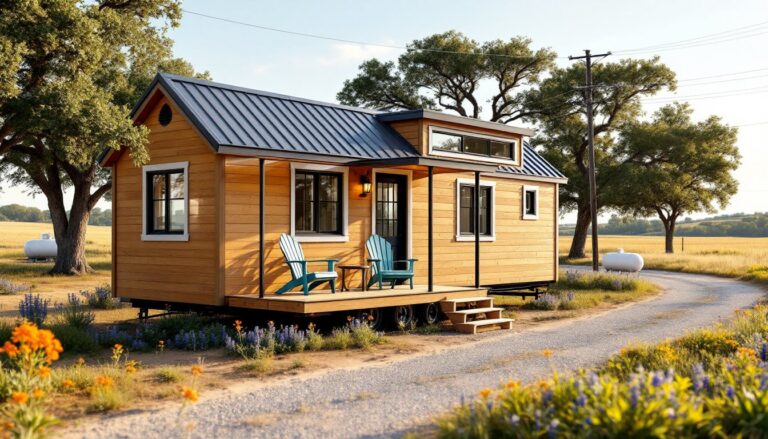
Repainting a single wide mobile home can completely change its curb appeal without the cost of siding replacement or major renovations. The right paint color combination doesn’t just refresh tired aluminum or vinyl, it can make a narrow structure feel more balanced, help it blend with its surroundings, or give it standout character in a park setting. Unlike site-built homes, mobile home exteriors require specific paint formulations and surface prep to handle expansion and contraction. But once those technical boxes are checked, color choice becomes the real game-changer. This guide breaks down proven color palettes, selection strategies, and the prep and painting process to get durable, attractive results.
Table of Contents
ToggleKey Takeaways
- Single wide mobile home exterior paint colors significantly impact curb appeal and resale value, with lighter shades making narrow structures appear more balanced and darker tones accentuating length.
- Neutral palettes like white, warm gray, and beige are popular and timeless choices, while bold colors such as navy blue and sage green offer modern alternatives that hide dirt and weather better.
- Test paint samples on large poster boards placed on different sides of your home in varying light conditions to account for how metal siding reflects light differently than traditional materials.
- Proper surface preparation including power washing at 1,500–2,000 PSI, sanding rust spots, and applying a bonding primer is more critical to paint longevity than the paint brand itself.
- Apply at least two coats of 100% acrylic latex exterior paint designed for metal or vinyl siding, and allow proper dry time between coats to ensure durable, attractive results.
- Coordinate your single wide mobile home exterior paint color with the roof, surrounding environment, and potential trim accents to create a cohesive, intentional appearance that enhances your home’s visual impact.
Why Exterior Paint Color Matters for Single Wide Mobile Homes
Single wide mobile homes typically measure 14 to 18 feet wide and can stretch 60 to 90 feet long. That elongated profile makes color choice more impactful than on a traditional house. Dark colors can accentuate the length, while lighter shades help the structure recede visually. Well-chosen trim and accent colors break up the horizontal lines and add architectural interest where the footprint might otherwise feel flat.
Resale value benefits from strategic color selection. Neutral palettes appeal to the broadest buyer base, but a tasteful two- or three-tone scheme signals that the home has been well maintained. In manufactured home communities, exterior appearance often falls under community guidelines, so checking HOA or park rules before purchasing paint is essential.
Climate considerations also come into play. Lighter colors reflect heat in southern climates, reducing cooling loads on older single-pane windows common in many mobile homes. Darker hues absorb more UV and can accelerate paint degradation on metal siding, requiring more frequent recoating. In northern regions, darker tones may help with passive solar gain during winter months.
Finally, the right color can unify mismatched additions or skirting. Many single wides have add-ons, porches, storage sheds, or carports, that weren’t part of the original build. A cohesive color scheme ties these elements together and creates a finished, intentional look.
Best Exterior Paint Colors for Single Wide Mobile Homes
Neutral and Classic Color Schemes
White or off-white remains the most popular choice for mobile home exteriors, and for good reason. Shades like Swiss Coffee, Alabaster, or Dover White maximize light reflection and work in any setting, rural, suburban, or park communities. Pairing a soft white body with Tricorn Black or Iron Ore trim creates crisp contrast without overwhelming the structure’s proportions.
Warm grays such as Agreeable Gray or Repose Gray offer a contemporary neutral that doesn’t show dirt as quickly as stark white. These tones pair well with charcoal or espresso brown trim and complement both metal and vinyl siding. Adding a third accent color, say, a muted sage or navy on shutters or the front door, adds depth without busy-ness.
Beige and tan combinations deliver a timeless, low-maintenance look. Colors like Accessible Beige or Kilim Beige work especially well in desert or plains environments where they echo natural surroundings. Darker tan or taupe trim keeps the palette grounded. Avoid pure yellow-beiges, which can look dated: stick to gray-toned beiges for a more current feel.
Many homeowners draw inspiration from design blogs when selecting neutral palettes that feel fresh but won’t look trendy in five years. The key is balancing timelessness with enough contrast to define the home’s lines.
Bold and Modern Color Combinations
For owners willing to make a statement, navy blue exteriors have surged in popularity. Deep hues like Naval or Hale Navy work surprisingly well on single wides, especially when paired with bright white trim and a warm wood-tone or red front door. Navy hides dirt and weathering better than lighter colors and photographs beautifully.
Sage green and olive tones offer an earthy, organic vibe that suits wooded or rural lots. Colors like Evergreen Fog or Clary Sage bring a modern farmhouse aesthetic without the stark contrast of black-and-white schemes. Pair with cream or warm white trim and consider a natural cedar or black accent on the door and porch details.
Charcoal and slate grays deliver an urban, contemporary look. These darker tones work best in cooler climates or shaded sites where heat absorption won’t be an issue. Use crisp white or light gray trim to prevent the exterior from feeling too heavy. A pop of color, burnt orange, mustard yellow, or teal, on the front door adds personality.
Two-tone horizontal schemes can visually shorten a long single wide. Paint the lower third or bottom panel in a darker shade and the upper two-thirds in a lighter tone. This grounds the structure and mimics traditional wainscoting. The technique is especially effective when the roofline is low-pitch or flat.
Some DIYers have documented bold color makeover projects that show how dramatic a change paint alone can achieve, often transforming a dated mobile home into a standout property.
How to Choose the Right Paint Color for Your Mobile Home
Start by assessing the roof color. Most single wide mobile homes have metal roofs in white, silver, brown, or green. The roof is permanent (or expensive to change), so it anchors your palette. A brown roof pairs naturally with warm neutrals, greens, or earth tones. A white or silver roof offers more flexibility.
Evaluate the surroundings. If the home sits in a wooded area, greens, browns, and warm grays blend harmoniously. In a desert or prairie setting, tans, adobe, and sage tones feel appropriate. In a manufactured home park with diverse exterior colors, a classic neutral or a standout bold choice both work, just avoid clashing with immediate neighbors if you value visual cohesion.
Test samples in place. Paint large poster boards (at least 2 × 2 feet) with your top color choices and tape them to different sides of the home. Observe them in morning, midday, and evening light over several days. Mobile home siding, whether aluminum, vinyl, or steel, reflects light differently than wood or masonry, so colors can look more intense or washed out than expected.
Consider maintenance and longevity. Lighter colors show less fading but may require more frequent cleaning. Darker colors hide dirt and streaks but can fade faster in high-UV climates. Acrylic latex exterior paint designed for metal or vinyl siding typically lasts 7 to 10 years with proper surface prep. Budget for repainting in that window.
Factor in trim and accent opportunities. Single wides often lack the trim detail of site-built homes, but adding color contrast on window trim, fascia, porch posts, and doors creates visual interest. A three-color scheme, body, trim, and accent, usually works best. More than that can feel chaotic on a smaller structure.
For those seeking a cohesive aesthetic, farmhouse and cottage styles frequently showcase successful mobile home color palettes that balance charm with practicality.
Preparing and Painting Your Single Wide Mobile Home Exterior
Surface preparation determines paint longevity more than the paint itself. Begin by power washing the entire exterior at 1,500 to 2,000 PSI to remove dirt, mildew, and chalking. Use a 30- or 40-degree nozzle to avoid denting thin metal panels. Let the siding dry completely, at least 48 hours in dry weather.
Inspect for rust, dents, and loose seams. Sand rust spots down to bare metal with 80-grit sandpaper and apply a rust-inhibiting metal primer (such as Rust-Oleum or Zinsser) to those areas. Fill small dents with auto body filler: larger damage may require panel replacement. Check caulking around windows, doors, and seams, scrape out old, cracked caulk and re-seal with a paintable acrylic latex caulk.
For vinyl siding, skip the power washer’s highest settings to prevent warping. Clean with a solution of trisodium phosphate (TSP) or a vinyl siding cleaner, rinse thoroughly, and allow to dry. Lightly scuff-sand any glossy areas with 220-grit sandpaper to improve paint adhesion.
Primer is non-negotiable on metal siding. Use a bonding primer formulated for metal or a 100% acrylic primer for vinyl. This step prevents peeling and ensures even color coverage. One coat is usually sufficient unless covering a drastic color change (dark to light or vice versa).
Top coat application goes faster with a paint sprayer, but brushing and rolling gives better control and coverage on textured or corrugated siding. Use a 3/8-inch nap roller for relatively smooth surfaces and a 1/2-inch nap for ribbed metal. Apply two coats of 100% acrylic latex exterior paint for durability and color depth. Allow at least four hours of dry time between coats (check the paint can for specific recoat windows).
Safety and weather considerations: Wear safety glasses, gloves, and a respirator when sanding or spraying. Avoid painting in direct sunlight or when temperatures drop below 50°F, paint won’t cure properly. High humidity or imminent rain will ruin fresh paint, so check the forecast for a 48-hour dry window.
If the home has extensive rust, severely faded or chalking paint, or structural siding damage, hiring a professional may be more cost-effective than repeated DIY attempts. Mobile home painting specialists understand the unique challenges of metal and vinyl expansion and can often complete the job in a fraction of the time.
Conclusion
Choosing and applying the right exterior paint color can dramatically elevate a single wide mobile home’s appearance and value. Whether opting for a classic neutral or a bold modern palette, the key is thoughtful color coordination, proper surface preparation, and quality materials designed for metal or vinyl siding. Take the time to test samples, prep thoroughly, and apply at least two coats of a durable acrylic latex paint. The result will be a refreshed exterior that stands up to the elements and turns heads for years to come.